


PlantedPro
Aquarium Soil Substrate 500g — Natural Clay for Planted Tanks
Regular price
$56.84
Sale price
$46.84
Save 17%
Active Aquarium Aqua Soil Substrate — 500g
The nutrient-rich, plant-feeding base layer that lower-pH, soft-water tanks and shrimp are built on.
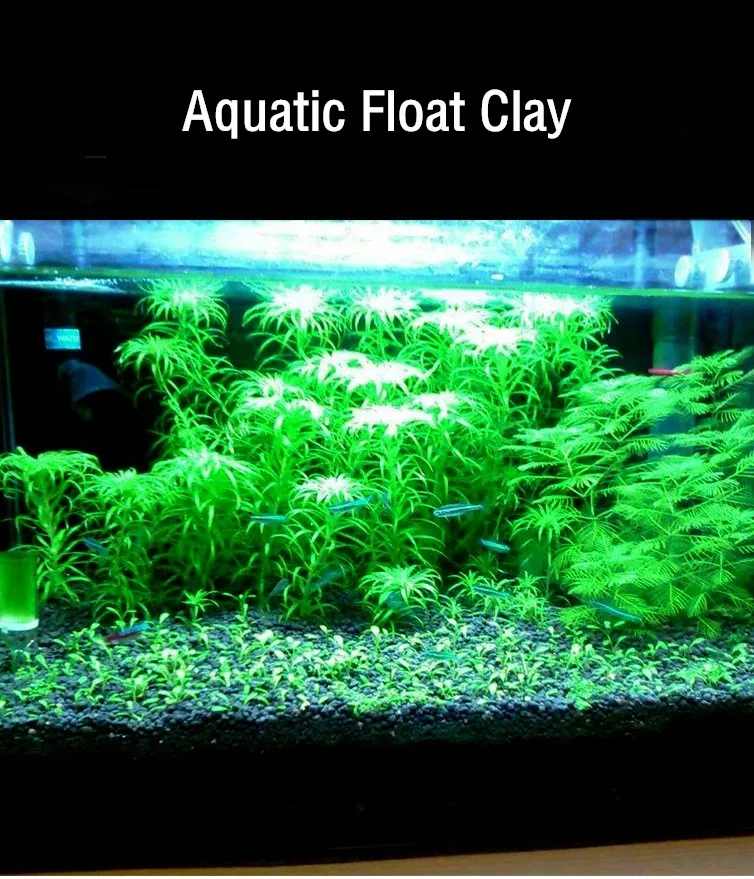
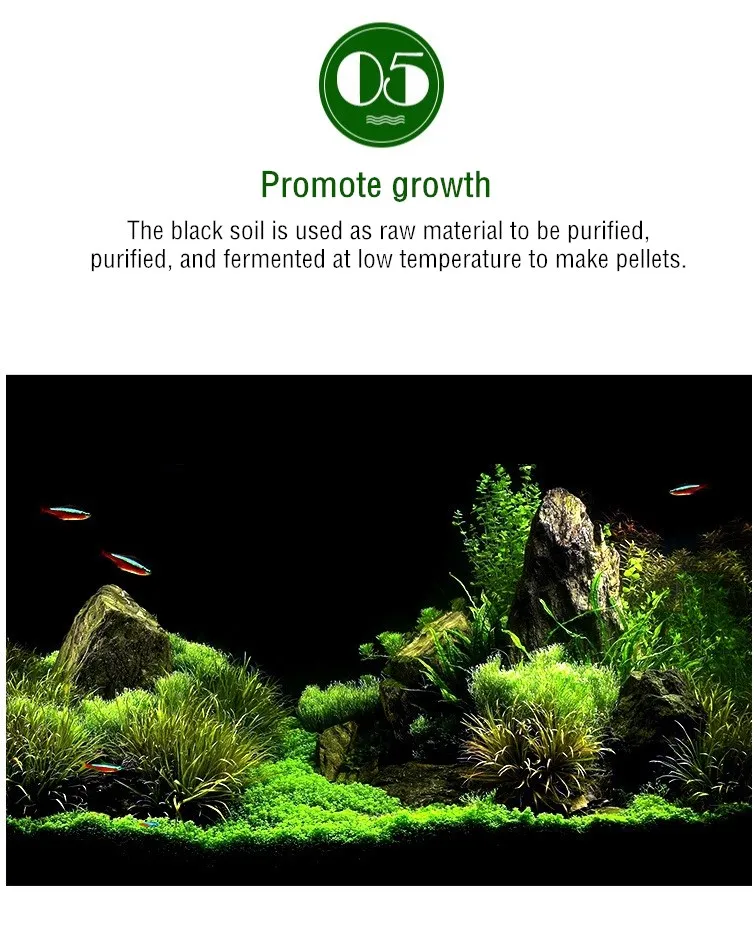
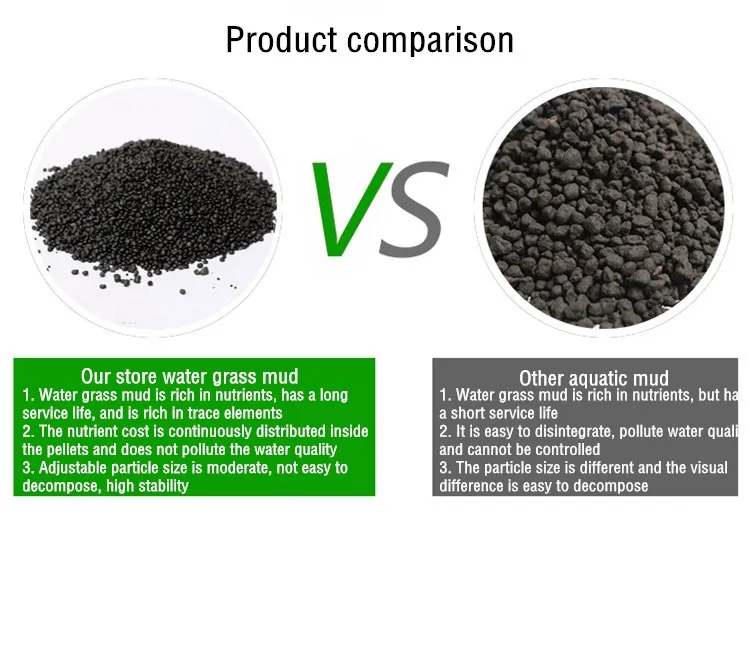
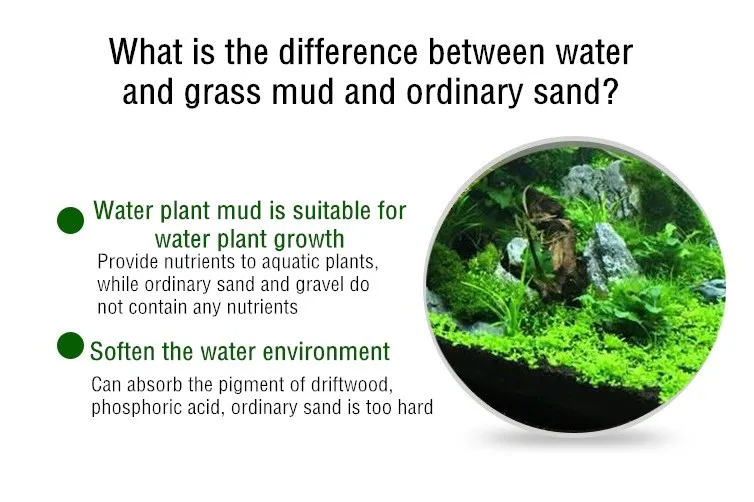
Ordinary gravel and sand hold plants in place but feed them nothing — which is why demanding carpets and stem plants struggle in an inert substrate. Active aqua soil is different: it's made from nutrient-rich fermented black soil, formed into stable granules that feed plant roots directly and actively condition the water, gently lowering the pH toward ~6.5 and softening it. That's the exact environment lush planted tanks and soft-water shrimp (like Caridina) want. The dark, natural granules also make plant greens and fish colours pop. It's the substrate serious aquascapers reach for when they want plants to thrive rather than just survive — but because it's active, it needs to be set up correctly before livestock go in (see the warnings below — this part matters).
Why Aquascapers Choose Aqua Soil
- 🌱 Feeds plants at the roots — nutrient-rich granules give root-feeding plants a real food source, which inert gravel and sand simply don't provide.
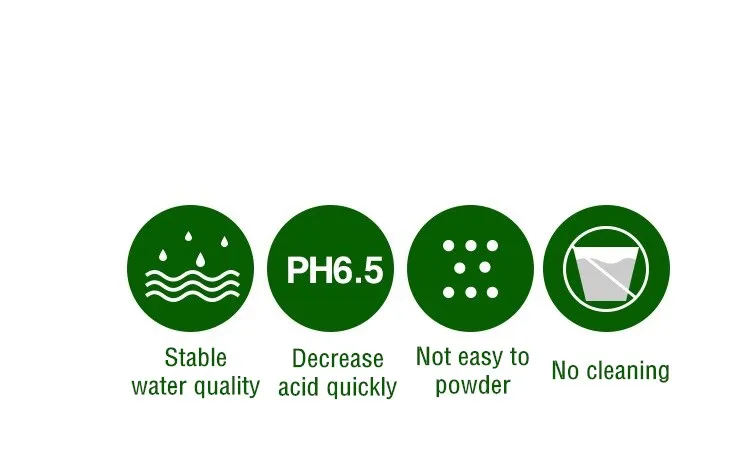
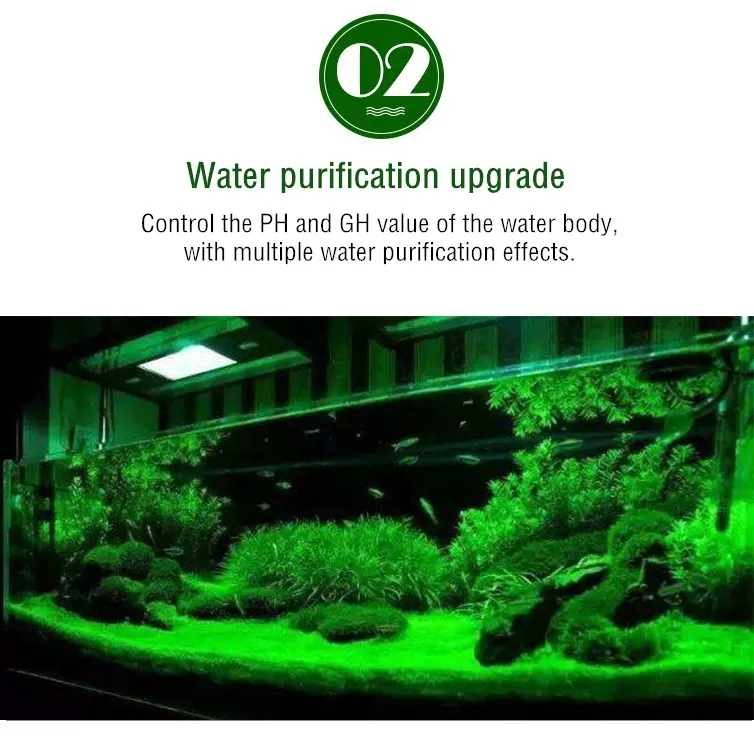
- 💧 Buffers pH low and soft — actively pulls the water toward ~6.5 and reduces hardness, the ideal range for most planted-tank plants and soft-water shrimp.
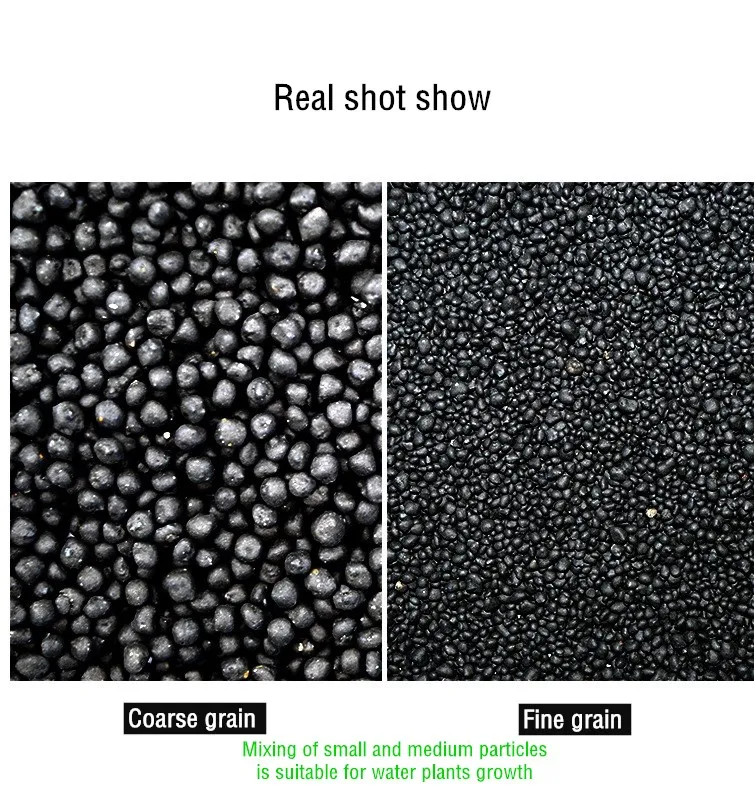
- 🌿 Carpet-friendly base — the granule size gives fine carpeting plants something to root into and spread across.
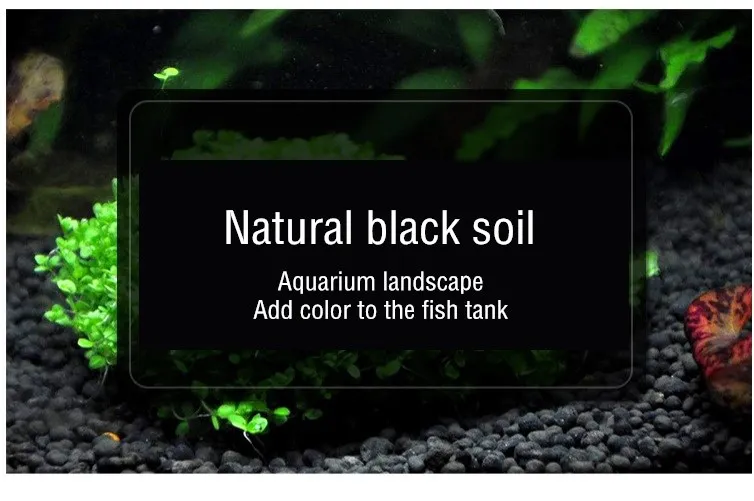
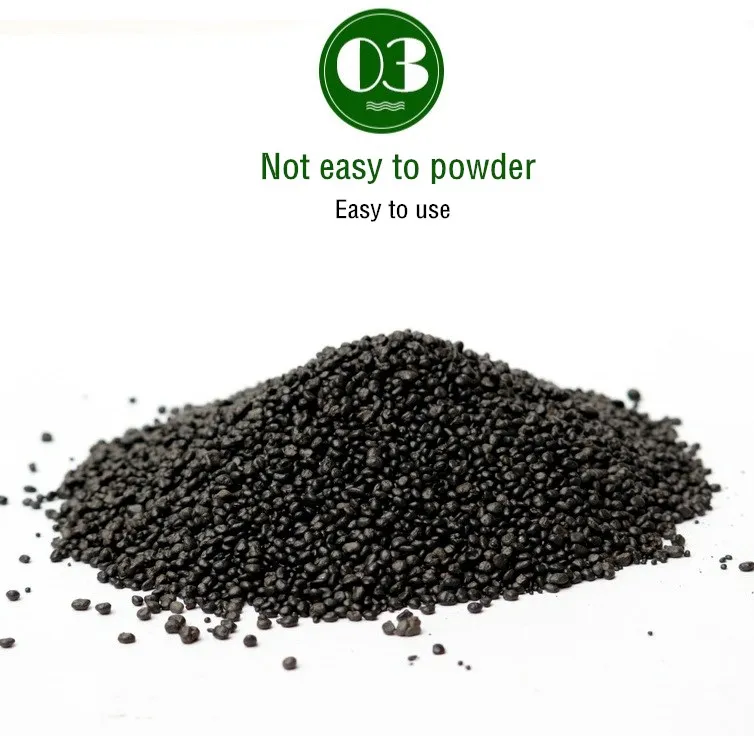
- ⚫ Natural black backdrop — makes plant greens and fish colours stand out far more than pale gravel.
- 🍤 Shrimp keepers' choice — the soft, acidic, buffered water that active soil creates is what Caridina shrimp (Crystal/Taiwan Bee) need to thrive.
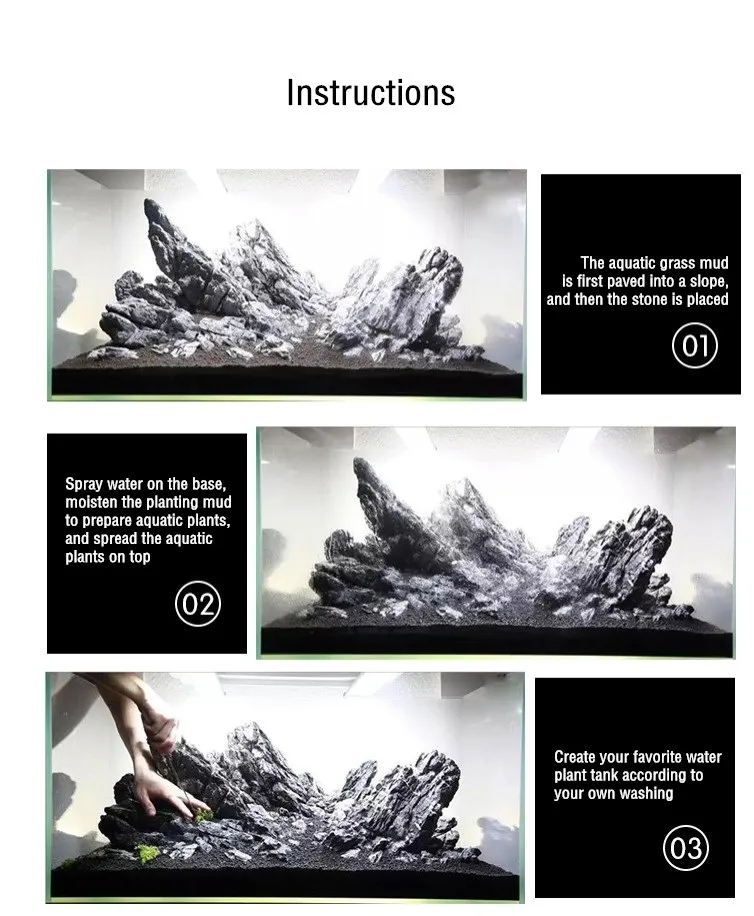
- 🪨 Contours and holds a slope — the granules stack and hold a front-low, back-high slope for depth in your scape.
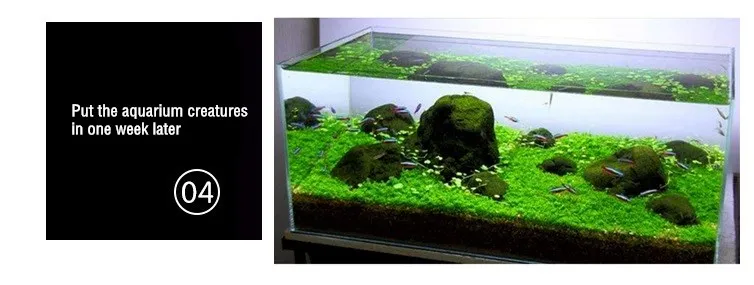
⚠️ Active soil leaches ammonia at first — you MUST cycle the tank before adding livestock. This is the single most important thing to know, and the packaging doesn't spell it out. Fresh aqua soil releases ammonia into the water for the first few weeks as it settles. That's harmless to plants but lethal to fish and shrimp. Set the tank up, plant it, and run it through a full nitrogen cycle — typically 3–6 weeks with regular water changes and zero-reading tests for ammonia and nitrite — before adding any animals. The "add livestock after one week" advice you'll see is usually far too soon. Shrimp especially: wait until the tank is fully cycled and stable.
⚠️ 500g is a small amount — check how much your tank actually needs. This pack is 500g (0.5kg). For reference, a small tank up to ~30cm needs on the order of 2–5kg of substrate for a proper planting depth, and larger tanks need much more (a 60cm tank, roughly 9–10kg). Treat a 500g bag as a top-up, a small accent, or a sample — not enough to substrate a whole tank on its own. Work out your tank's requirement and order the quantity to match before you start.
⚠️ Active soil is consumable — plan to replace it eventually. Unlike inert gravel, aqua soil is doing chemical work (feeding plants, buffering pH), and that capacity depletes over time. Most active soils gradually lose their buffering and nutrient punch and soften over roughly 1–3 years, after which they're typically replaced. This is normal for the category, not a defect — it's the trade-off for a substrate that actively feeds and conditions.
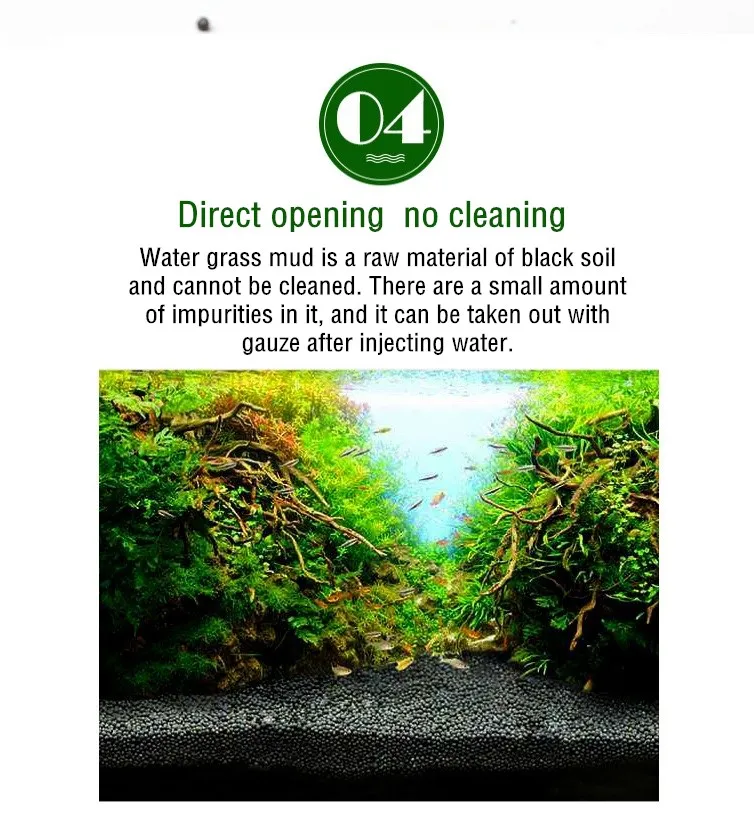
💡 Pro tip: don't rinse it, but do fill slowly. Aqua soil is not washed before use — rinsing breaks the granules down. Instead, lay it dry (front-low, back-high), then fill the tank very slowly over a plate, bowl, or bag laid on the surface so the stream doesn't crater the soil or cloud the water. A little fine debris or tint on the first fill is normal; a gauze or fine net skims off any floating bits, and the first water change clears the rest.
💡 Pro tip: pair it with root tabs down the line. Aqua soil is nutrient-rich at setup, but heavy root-feeders (swords, crypts) will draw it down over months. Slipping root tabs under those plants once the soil is a year or so old extends the productive life of your substrate without a full teardown.
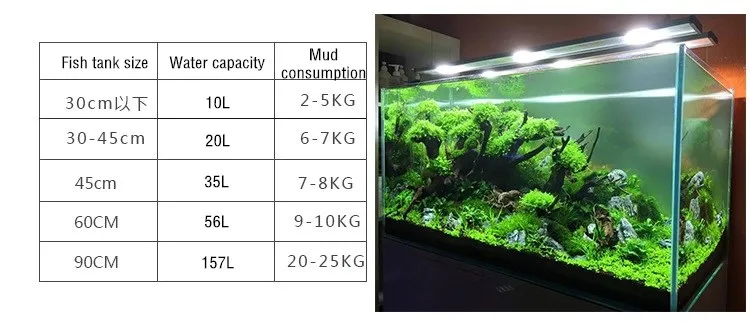
How Much Do You Need? (Guide)
| Tank length | Approx. water volume | Substrate needed (guide) |
|---|---|---|
| up to 30 cm | ~10 L | 2–5 kg |
| 30–45 cm | ~20 L | 6–7 kg |
| 45 cm | ~35 L | 7–8 kg |
| 60 cm | ~56 L | 9–10 kg |
| 90 cm | ~157 L | 20–25 kg |
A 500g bag is a fraction of a single tank's fill — order multiple bags (or a larger quantity) to reach these amounts. A planting depth of roughly 5–8 cm is typical, deeper at the back for a slope.
Specifications
| Type | Active aquarium soil (aqua soil) |
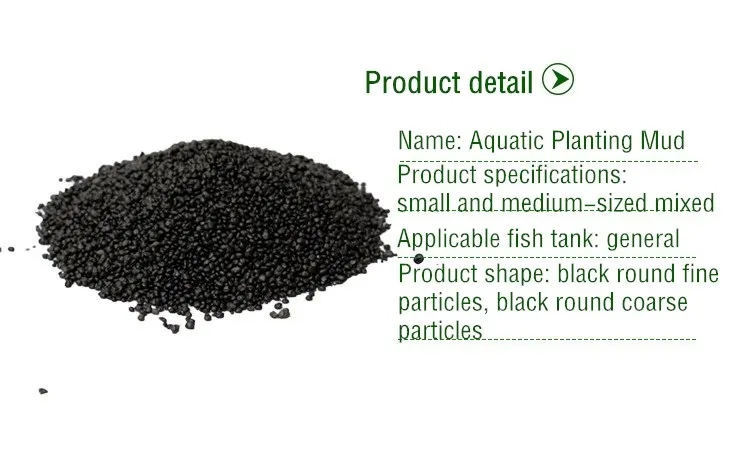
| Material | Fermented nutrient-rich black soil granules |
| Granule size | 1.2–5 mm |
| Colour | Black |
| Weight | 500 g (approx.) per pack |
| Effect on water | Buffers pH toward ~6.5, softens (lowers GH) |
| Pre-wash | Not required — do not rinse |
| Best for | Planted tanks; soft-water / low-pH setups; shrimp |
Allow for some variance from hand measurement and natural granule size.
What's in the Box
- 1 × 500g pack of active aquarium aqua soil
This is a 500g quantity — see the "How Much Do You Need" guide; most tanks require several kilograms. Base fertiliser, root tabs, and plants are not included.
Pairs Well With
- Base fertiliser / root tabs — layer base fertiliser under the soil at setup (3–4cm soil, a layer of base fert, then ~2cm more) for heavy-feeding scapes, and add root tabs as the soil ages.
- Aquascaping rocks & driftwood — the natural black granules set off hardscape and hold a slope around stones.
- Carpeting & stem plants — the plants that most benefit from a nutrient-rich, root-feeding base.
- A liquid all-in-one fertiliser — soil feeds the roots; water-column dosing covers what the leaves take up, especially as the soil matures.
Your Top 5 Questions — Answered
1. Can I add my fish or shrimp right after setting it up?
= No — and this is the most important thing to get right. Fresh active soil leaches ammonia for the first few weeks, which is lethal to livestock. You need to cycle the tank first: set it up, plant it, and run it for typically 3–6 weeks with water changes until ammonia and nitrite both read zero. Only then add fish, and add sensitive shrimp later still, once everything is stable. The "one week" figure on this type of packaging is usually far too soon.
2. How much do I need for my tank — is 500g enough?
= Almost certainly not on its own. 500g is half a kilogram; a small tank up to 30cm needs roughly 2–5kg for a proper planting depth, and a 60cm tank around 9–10kg. Use the guide table above to work out your tank's requirement and order enough bags to match. A single 500g pack is best thought of as a top-up, accent, or sample.
3. Do I need to wash it first?
= No — don't rinse it. Washing breaks the soft granules down into muddy water. Lay it in dry, then fill the tank very slowly over a plate or bowl so you don't crater the surface. A little cloudiness or fine debris on the first fill is normal and clears with the first water change; skim any floating bits with a fine net or gauze.
4. Will it change my water parameters?
= Yes, deliberately — that's a key feature. Active soil buffers the pH down toward about 6.5 and softens the water (lowers GH), which is ideal for most planted-tank plants and for soft-water shrimp. The flip side: it's not the right choice if you specifically keep hard-water, high-pH fish (like African cichlids or livebearers that prefer harder water). Match the substrate to the life you want to keep.
5. How long does it last?
= Plan on roughly 1–3 years of active life. Because the soil is actively feeding plants and buffering the water, that capacity gradually depletes — the buffering weakens, nutrients draw down, and the granules soften over time. That's normal for any active aqua soil, not a fault. Root tabs extend its useful life, but eventually an active substrate is replaced, unlike inert gravel that lasts indefinitely.
Ships within 20–25 business days.




All Fish Tanks & Jars
-


Complete Set Of Eco-Water Grass Tank
From $143.18
-


Ecological Water Grass Tank Round Cylinder Set
$73.18
-


Drifting Bottle Ecological Aquatic Grass Tank
From $169.18
-


Moss Running Water
$233.98
-


Goose egg-shaped water weed tank [Water Grass+Seeds]
$133.18
-


Handbag Fish Tank
From $73.18


![Tree of Life - Moss Microlandscape [Including Internal Plants + Decoration]](http://plantedpro.com/cdn/shop/files/Untitled_tree_1083db94-11cc-4678-b34a-62c4d02c5f2f.png?crop=center&height=600&v=1785934590&width=600)
![Green Hills - Moss Microlandscape [Including Internal Plants + Decoration]](http://plantedpro.com/cdn/shop/files/Gemini_Generated_Image_52hehy52hehy52he.jpg?crop=center&height=600&v=1787735848&width=600)